
Kaba Diallo, Andrew Charles Whitaker, Al- Shakil, Aaron Conte, Antonio Machava Junior
Received 10 November, 2025
Accepted 13 January, 2026
Published online 15 May, 2026
Kaba Diallo1), Andrew Charles Whitaker2), Al- Shakil2), Aaron Conte1), Antonio Machava Junior1)
1) Graduate School of Science and Technology, Niigata University, Japan
2) Institute of Science and Technology, Niigata University, Japan
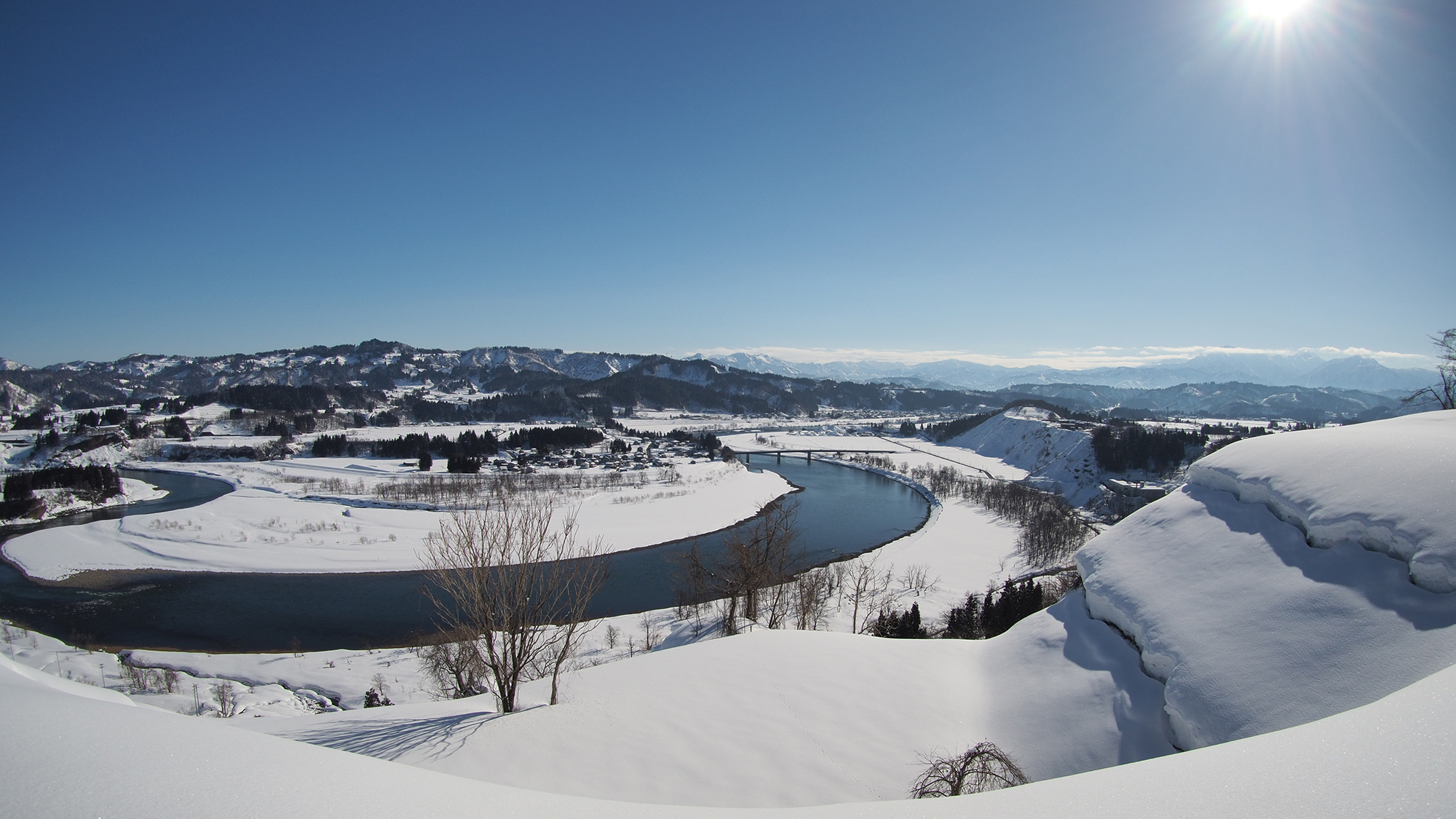
There is a need to evaluate and understand how ongoing climate change is impacting hydrological regimes and seasonal flows in Japan’s heavy snowfall region along the Sea of Japan. This study analyzed various flow duration curves from the Takiya River (19.45 km2), Ara River (240 km2), and Uono River (1,408 km2) to evaluate the distinct influence of basin characteristics, climate change, and dam regulation on flow regimes. Seasonal flow duration curves showed consistent dominance of spring flows associated with snowmelt, most pronounced in basins with higher elevations and greater snow accumulation. The moderately regulated Uono River exhibits reduced flood peaks, flattened median flows, and more persistent summer–autumn low flows, reflecting dam operations. A comparison of the periods 1961–1990 and 1991–2023 for the Uono River shows significant increases in winter runoff (Q50 +15%) and a significant shift in the spring flow regime (Q10 –16%, Q90 +23%), consistent with warming trends. In addition, the development of stochastic flow duration curves made it possible to assess the impact of climate change on flow regimes in a probabilistic manner. These findings underline the dual impacts of climate change and flow regulation, with implications for flood control and water supply.
Copyright (c) 2026 The Author(s) CC-BY 4.0