
Hayata Yanagihara, Ryosuke Arai
Received 20 January, 2026
Accepted 4 April, 2026
Published online 1 July, 2026
Hayata Yanagihara1), Ryosuke Arai1)
1) Sustainable System Research Laboratory, Central Research Institute of Electric Power Industry, Japan
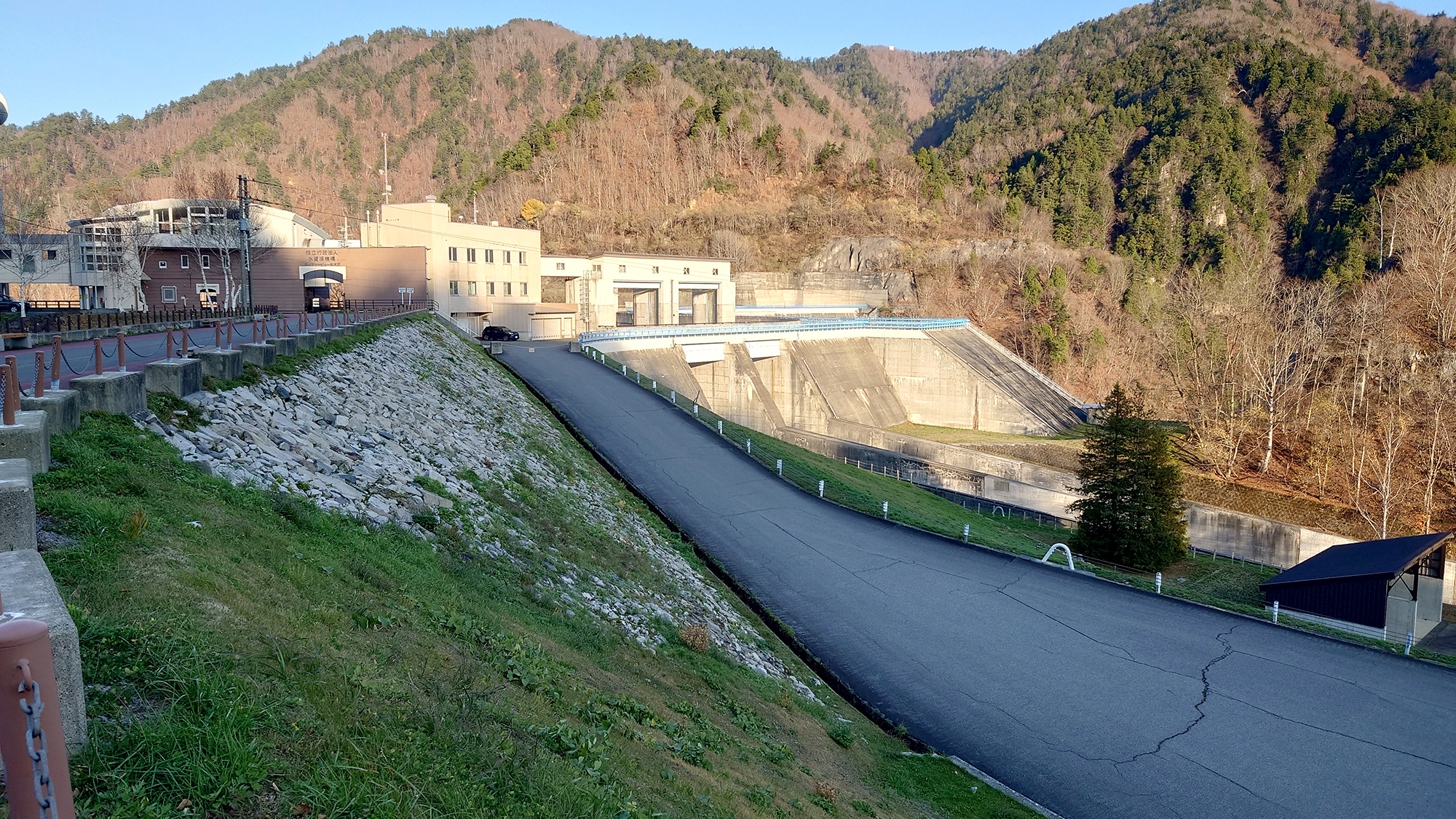
This study evaluated the potential skill of deep learning-based dam inflow forecasting during the snowmelt season using ERA5-Land reanalysis data, which served as a reference dataset sharing the numerical modeling framework of medium-range forecasts while avoiding the error growth inherent in actual forecasting. We also assessed the added value of incorporating snow cover area (SCA) from the Moderate Resolution Imaging Spectroradiometer (MODIS) at each lead time. Daily inflow forecasts with lead times of 1–10 days were generated for the Yagisawa Dam, located in a heavy snowfall region in Japan, using an encoder–decoder long short-term memory (LSTM) network. Forecasts for the snowmelt season consistently demonstrated high potential skill (Kling–Gupta efficiency [KGE]: 0.83–0.85; log-transformed Nash–Sutcliffe efficiency [logNSE]: 0.91–0.93), exceeding the performance during the rainfall season. Incorporating SCA increased KGE by 0.04–0.06 and logNSE by 0.01–0.02 and reduced the root mean square error by 10–14% during the snowmelt season. These improvements resulted from the enhanced representation of the time-series patterns, variability, and mean inflow. The improvements in patterns and means remained stable across lead times, whereas the improvement in variability weakened slightly with increasing lead times.
Copyright (c) 2026 The Author(s) CC-BY 4.0